
DirectorTomohiro Nagayoshi長吉 友博President, Nagayoshi Co., Ltd.Assistive equipment; registered support organisation for foreign care workers


A country of 280 million has reached the door of an ageing society.
The road Japan walked in fifty years, in 21.
Japan Indonesia Healthcare · a Japanese incorporated association
Indonesia will cover in about twenty years the road Japan took fifty years to walk. Its people are already at work in Japanese care homes. This association exists so that the systems and the experience Japan built along that road are put to use in the next fifty.
A relationship that already exists
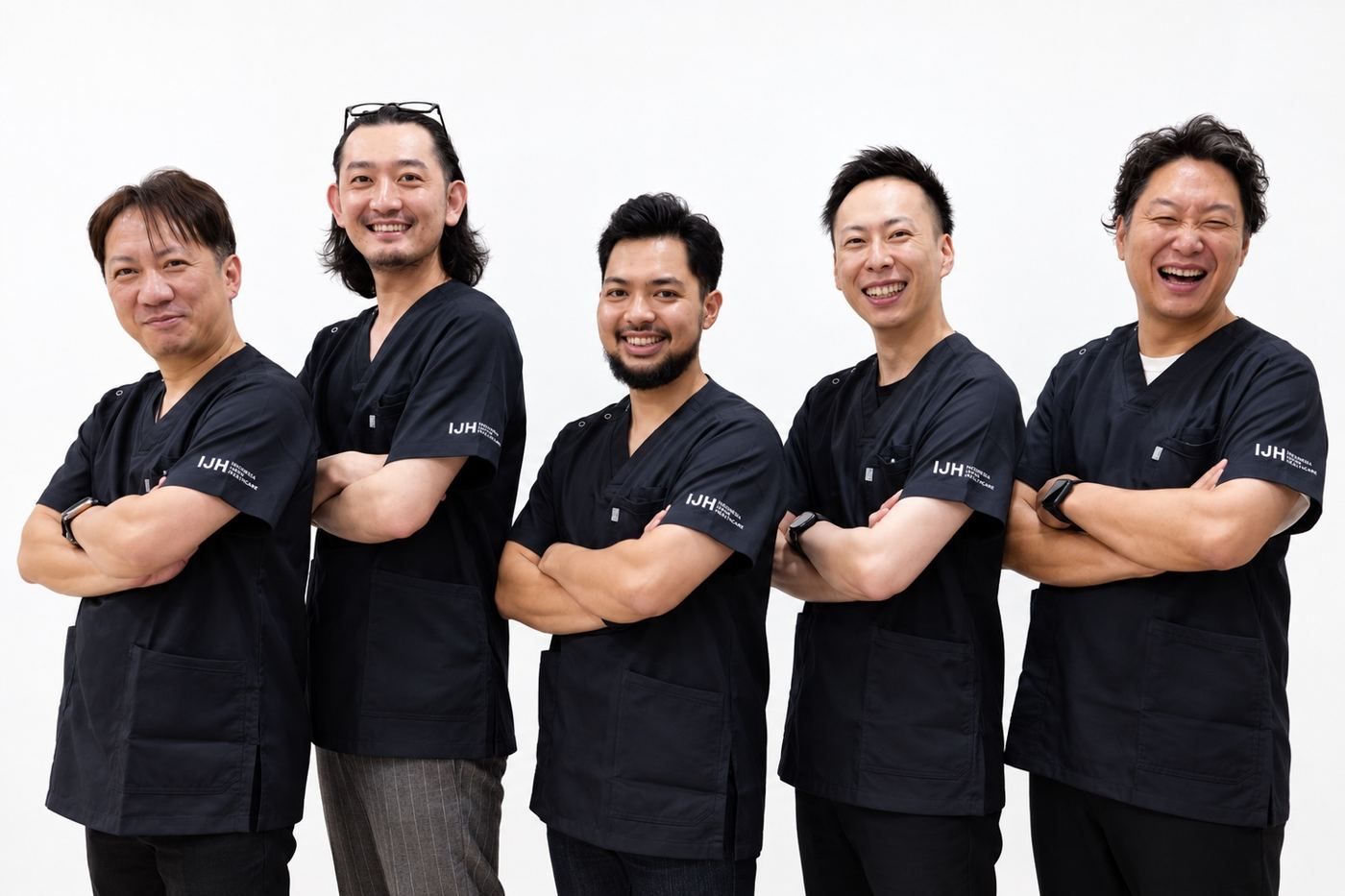
In fiscal 2023 the number of care workers in Japan fell for the first time on record. Over the same years, since intake under the EPA began in 2008, the number of Indonesians working in Japanese care has kept rising. At the end of December 2025, 86,955 Indonesians held Specified Skilled Worker status — second only to Vietnam by nationality, and the largest increase of any nationality over the preceding six months.
That relationship was not made by policy. It was built one hire and one workplace at a time. Our work starts from there.

The road Japan walked
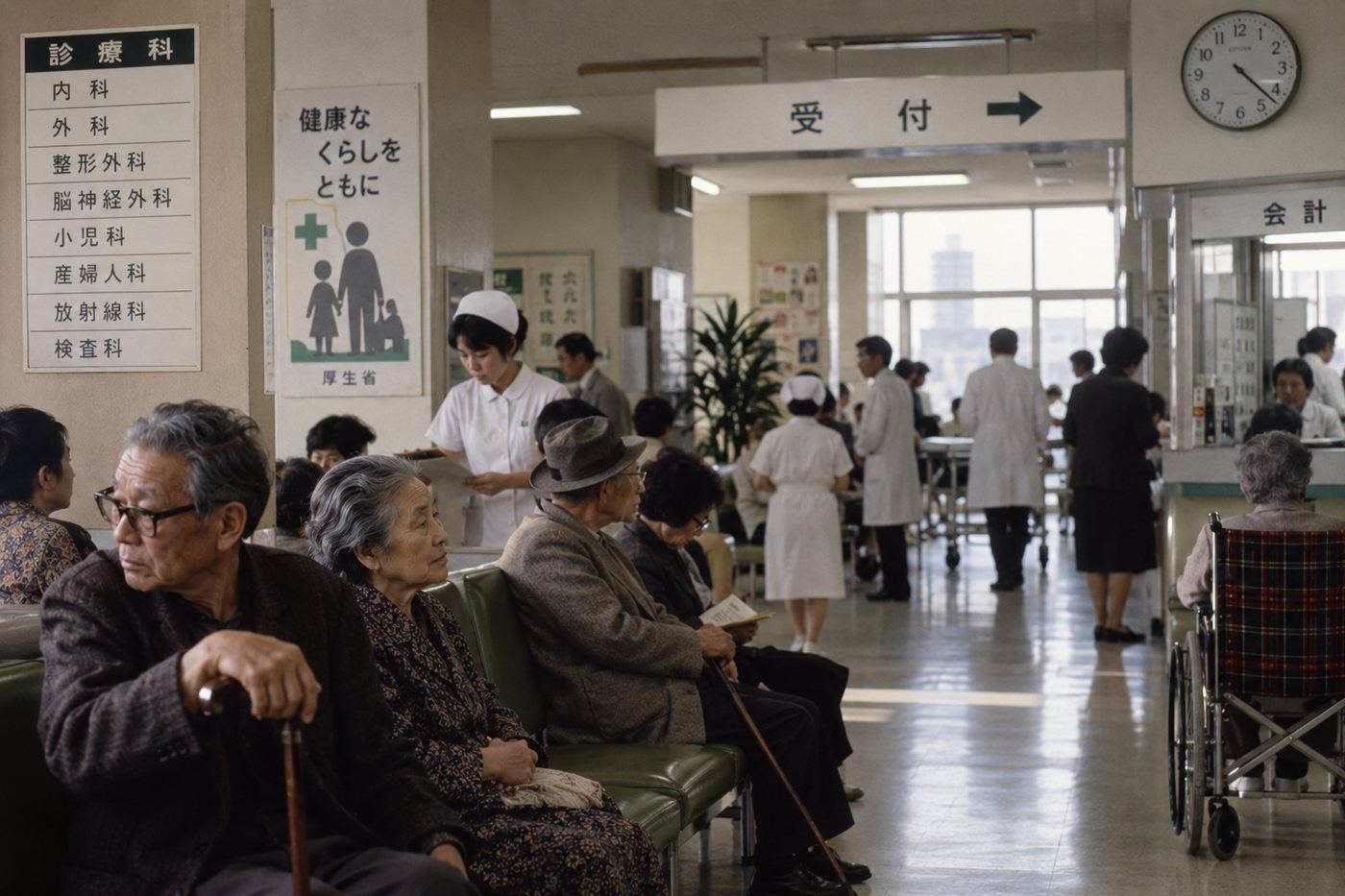
In 1970 the population aged 65 and over passed 7 per cent, and cerebrovascular disease was the leading cause of death. On top of universal health insurance, Japan then added one layer at a time: free medical care for the elderly, the Gold Plan, long-term care insurance, community-based integrated care. By 2024 the ageing rate was 29.3 per cent and life expectancy 81.09 years for men and 87.13 for women. Cerebrovascular disease had fallen to fourth, and old age had entered the top three.
Sources: Cabinet Office, Annual Report on the Ageing Society; MHLW, Vital Statistics and Abridged Life Tables
The same line
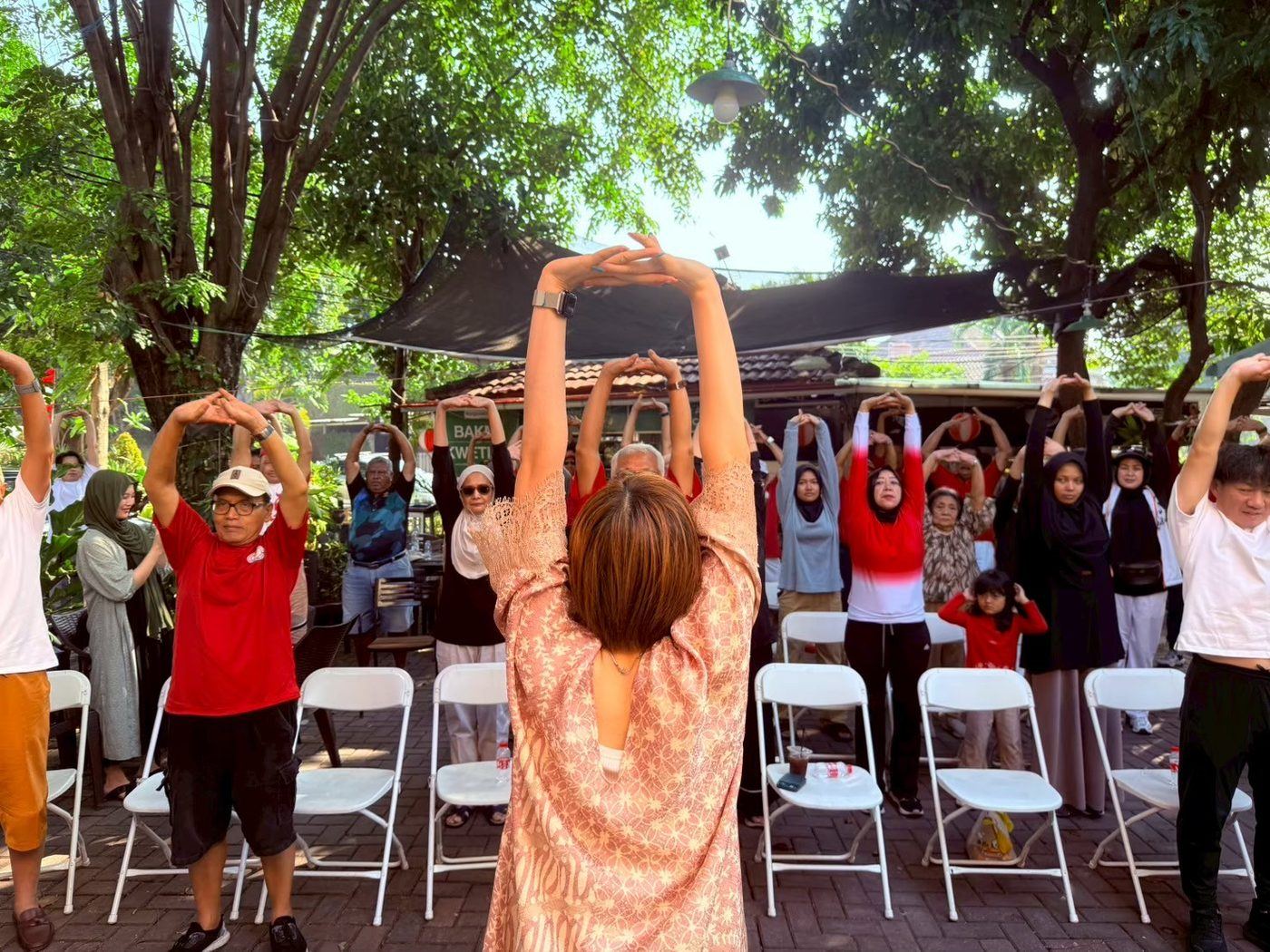
A population of 284.67 million. The share aged 65 and over reaches 14 per cent around 2045 — a passage Japan took 24 years to make, covered here in about 21. Life expectancy is 74.47 years, which places Indonesia between Japan's 1975 and 1980. Stroke is the leading cause of death. To this point, it is the same story.
Sources: BPS (Statistics Indonesia) SUPAS 2025; IHME GBD 2021
| GDP per capita | Indonesia in 2025: US$5,083. Japan in 1970 was US$2,100 nominal — roughly three times that level in real terms. |
|---|---|
| Health insurance | 98.6% of the population is enrolled in JKN. There is no equivalent of long-term care insurance, and the scheme is expected to run a deficit in 2026. |
| Supply | 0.69 doctors and 1.38 hospital beds per thousand people. Japan in 1970 had 1.18 doctors and 10.3 beds. |
| What people are ill with | Alongside stroke and heart disease, tuberculosis and neonatal conditions remain among the leading causes of death, and Indonesia ranks fifth in the world for people living with diabetes — a double burden Japan did not carry in 1970. |
Sources: BPS, BPJS Kesehatan, World Bank, IHME, MHLW. Full figures and a source list will be published on the data page.
What the difference means
Universal insurance is in place. Families still live together. What is missing is the layer Japan added between 1989 and 2000: training for care workers, standards of care, the machinery of home and community services, assistive equipment. The people who hold that knowledge are the operators who run it every day in Japan. Indonesia's public institutions have just begun work on that layer.
A three-year project to strengthen care-worker capability began, building care curricula at health polytechnics in Jakarta, Lampung and West Nusa Tenggara.
Source: JICA press releaseA memorandum on specialist medical education was signed. Formal cooperation with Japanese medical education institutions is under way.
Source: Ministry of Health, Republic of IndonesiaJapan's Ministry of Economy, Trade and Industry published its Indonesia report on international healthcare expansion. Subsidies for feasibility and demonstration studies abroad continue.
Source: METI, international expansion of the healthcare industryThese are not projects this association is party to. They are shown as the environment we work in.
About the association
Japan Indonesia Healthcare is the sister organisation of PT Indonesia Japan Healthcare (IJH) in Indonesia. IJH was founded by five people; the association was established by the four of them resident in Japan, who are its founding members. The association holds no shares in IJH. On the Japanese side we run study sessions and visits for members; on the Indonesian side IJH handles the practical work with local institutions.
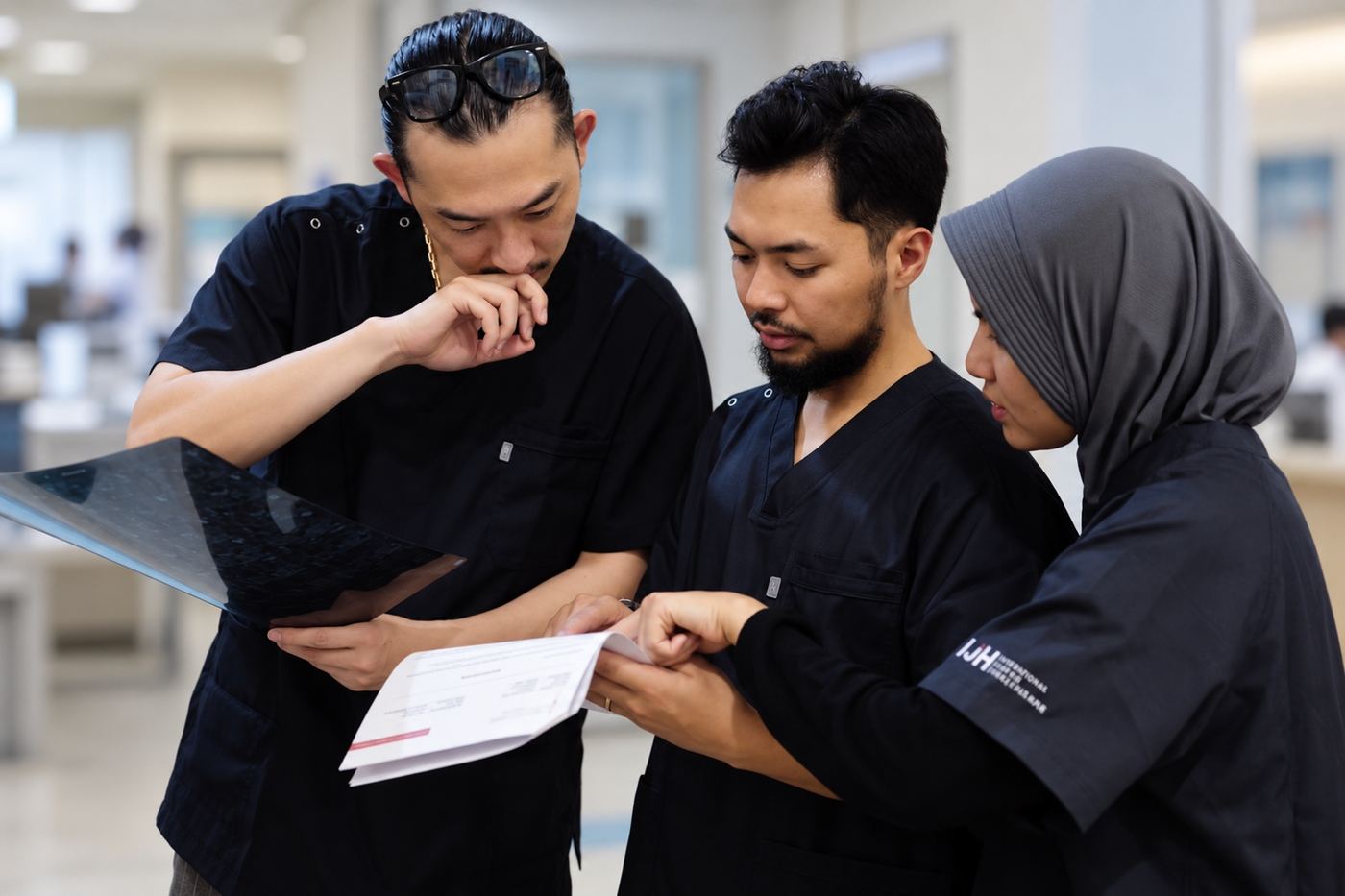
Study sessions for members, visits to Indonesia, introductions to institutions there. The directors run care and medical businesses in Japan.
An Indonesian company (PT PMA). It carries the working relationships with hospitals, universities and local government there.
The people
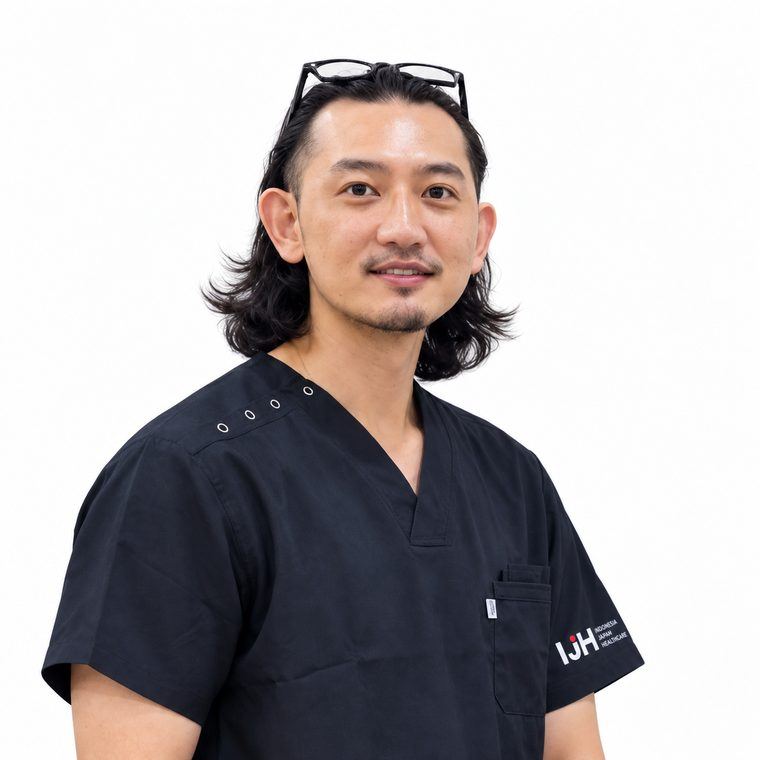
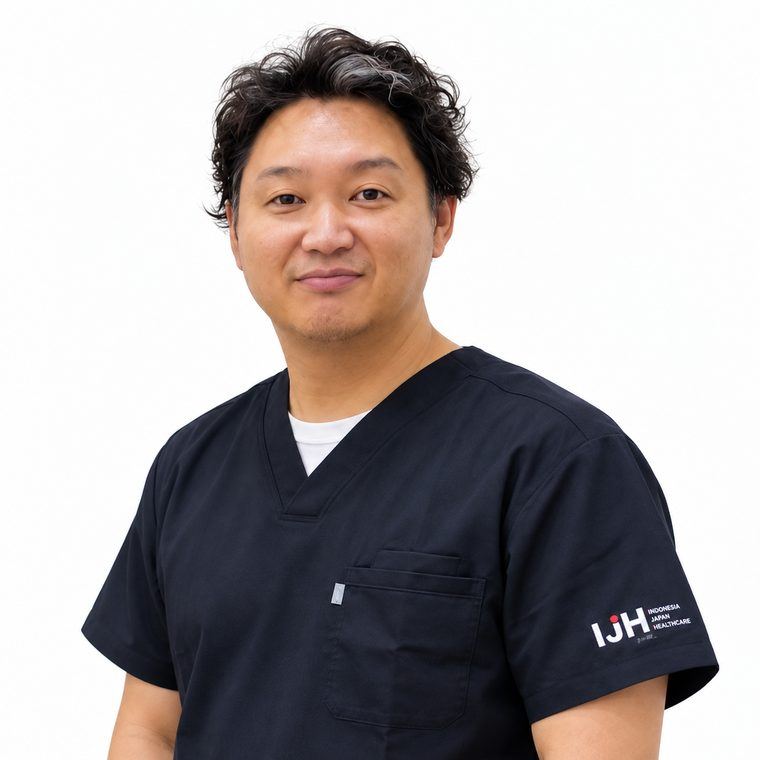
Titles follow the certificate of registered matters; the association was registered on 8 August 2026. Anshar Safri is not an officer of the association; he is the founder of its sister organisation IJH, and is expected to join the board once he is resident in Japan.


How we got here
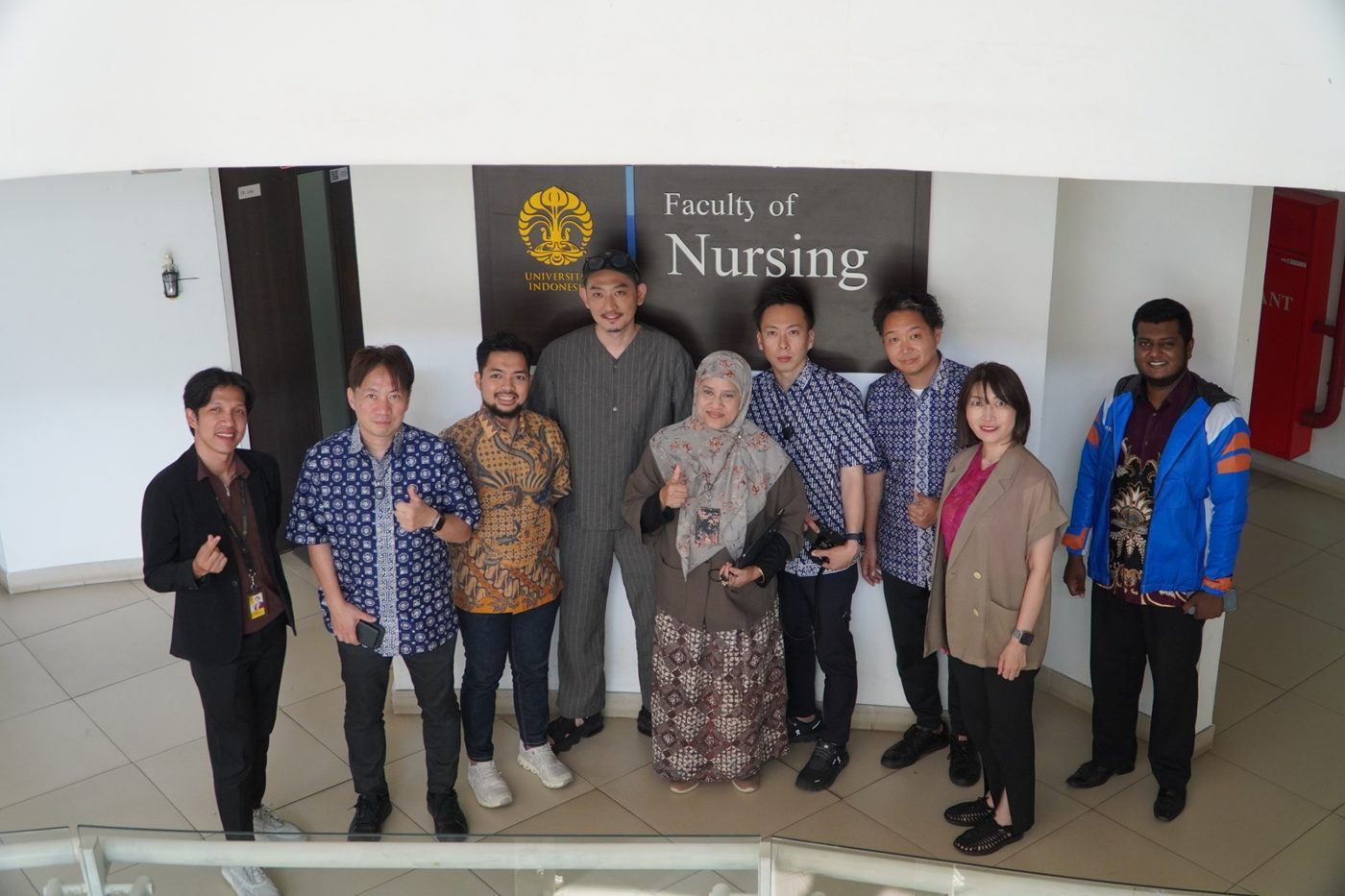
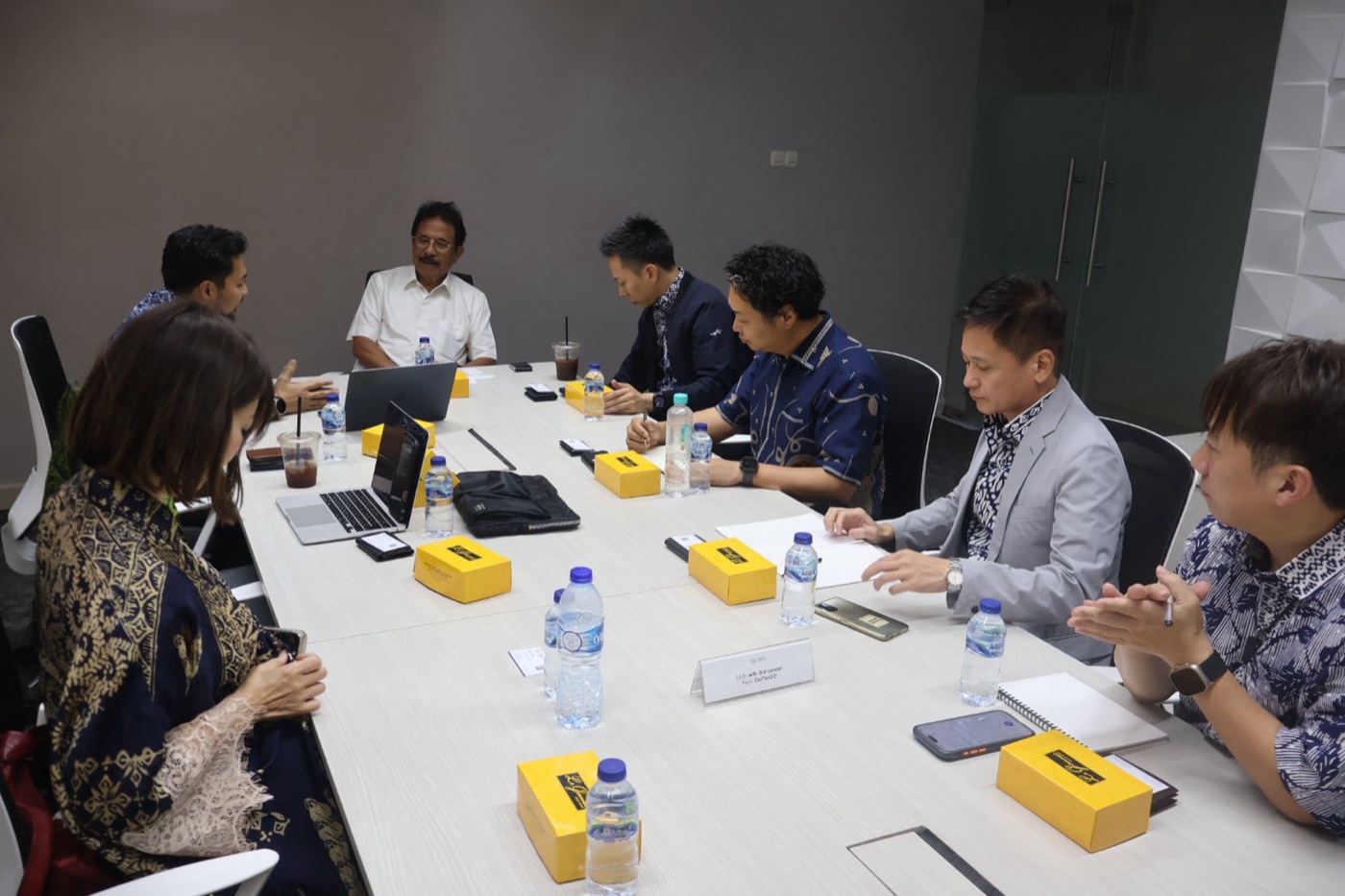
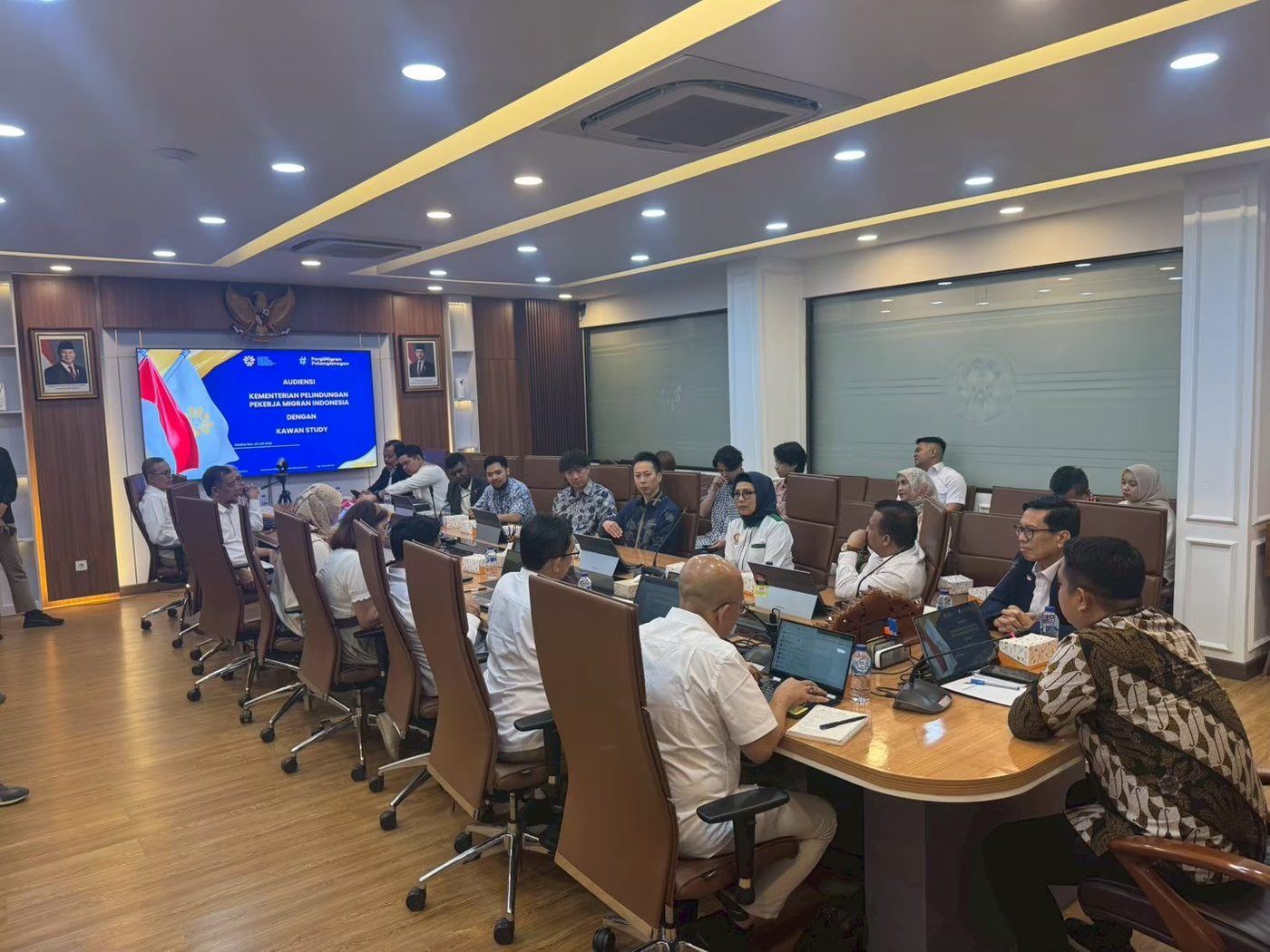
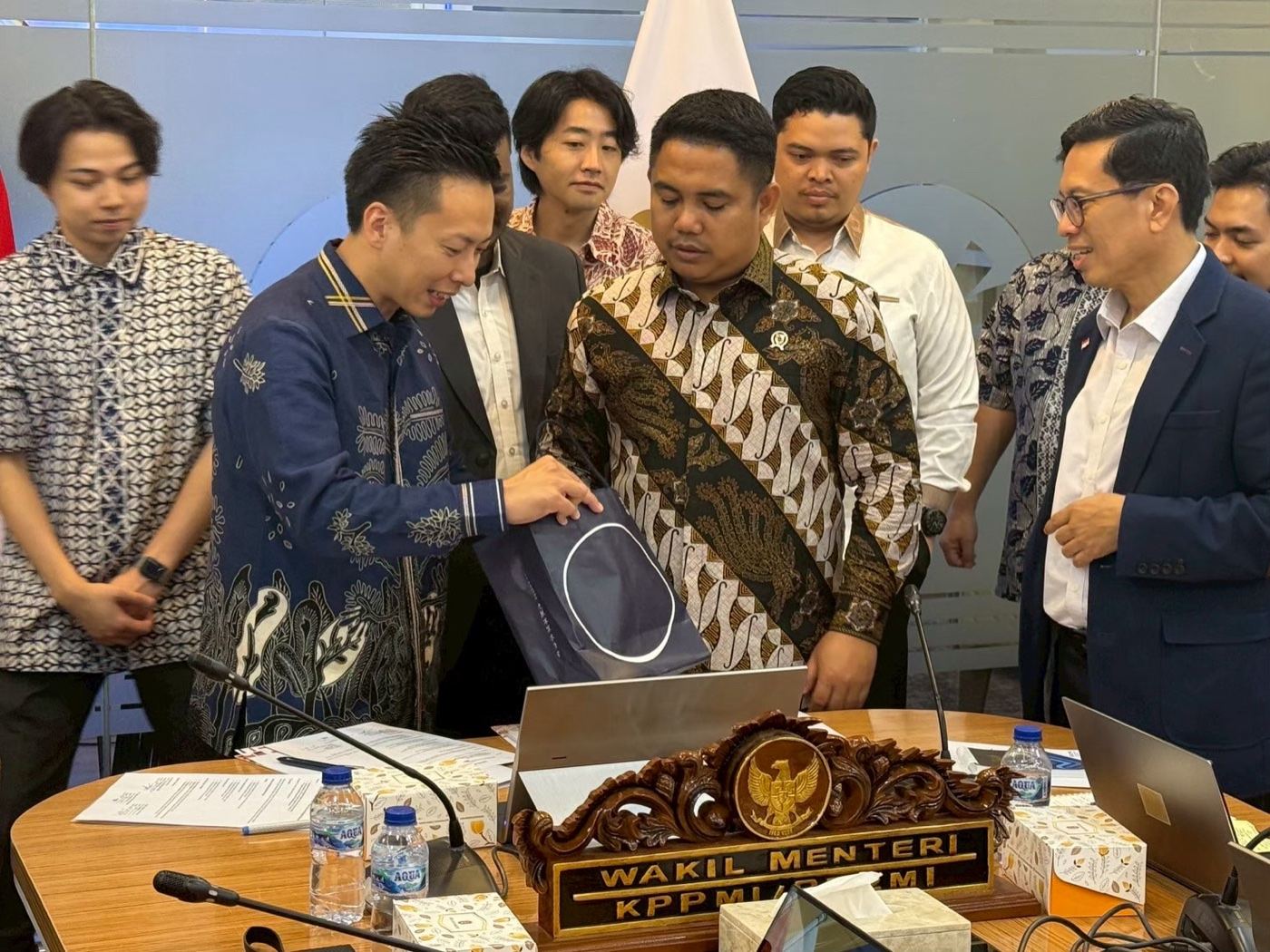
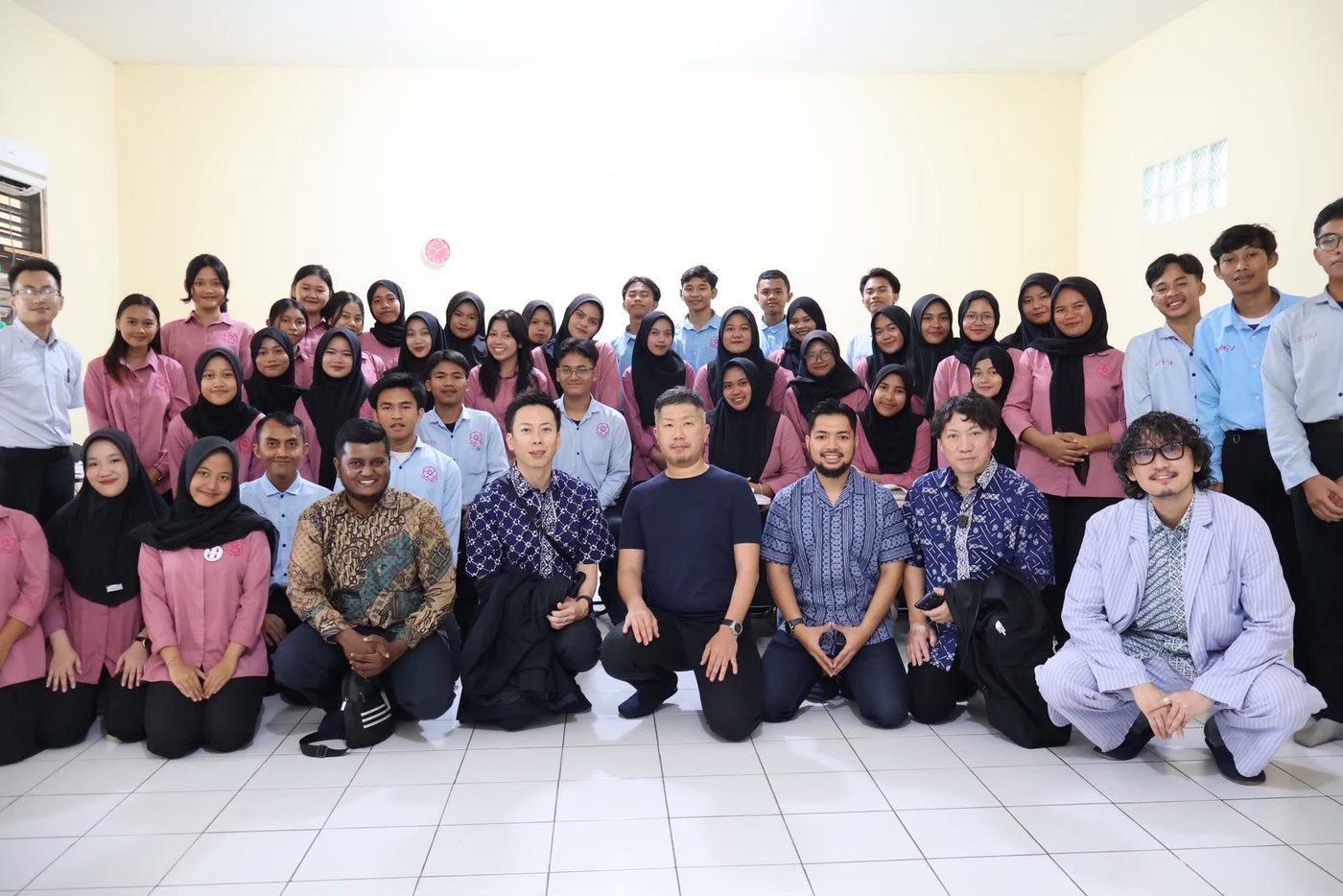
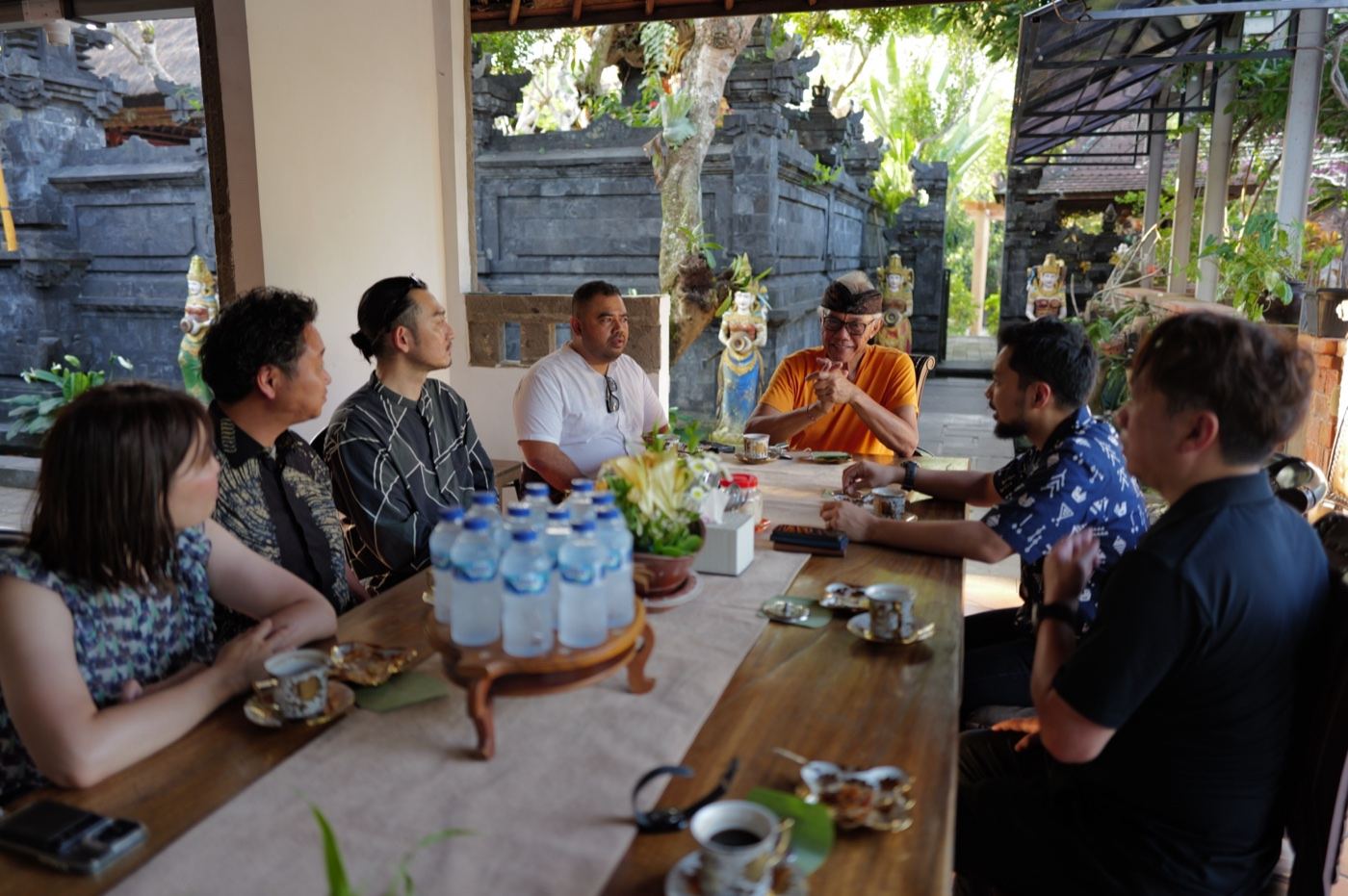
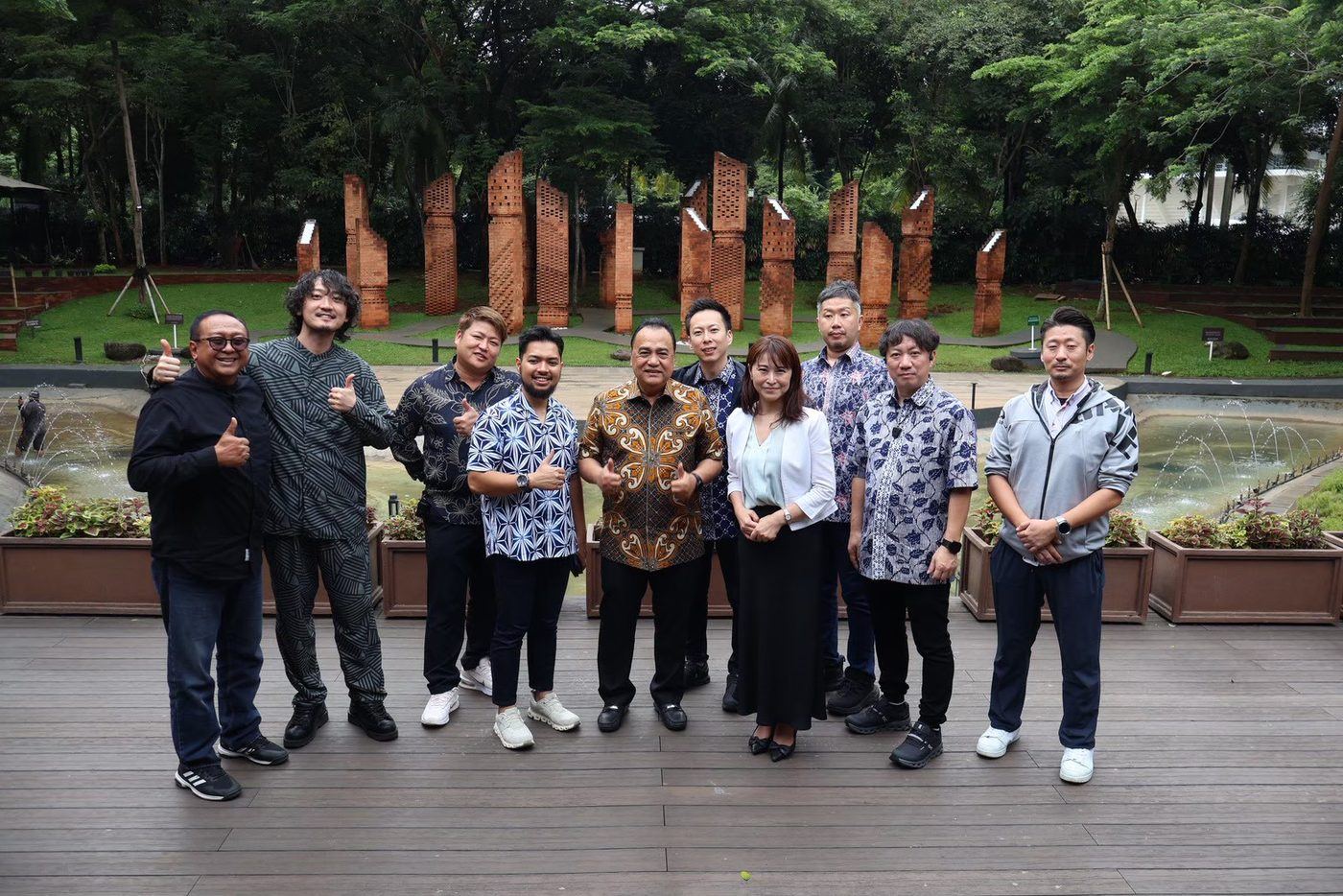
Work done before incorporation is shown as the founders' own, separately from the association's. Plans are not mixed with what has happened. Participants are named only with their consent.
The Indonesian side
PT Indonesia Japan Healthcare (IJH) is the point of contact for work on the ground. Its commissioner is Prof. dr. Abdul Kadir, former chair of the supervisory board of BPJS Kesehatan and former Director General of Health Services at the Ministry of Health.
IJH's rehabilitation (J-Riha) and elderly care (J-Care) programmes are at the planning stage. Each will be listed here, with its date, once it is running.
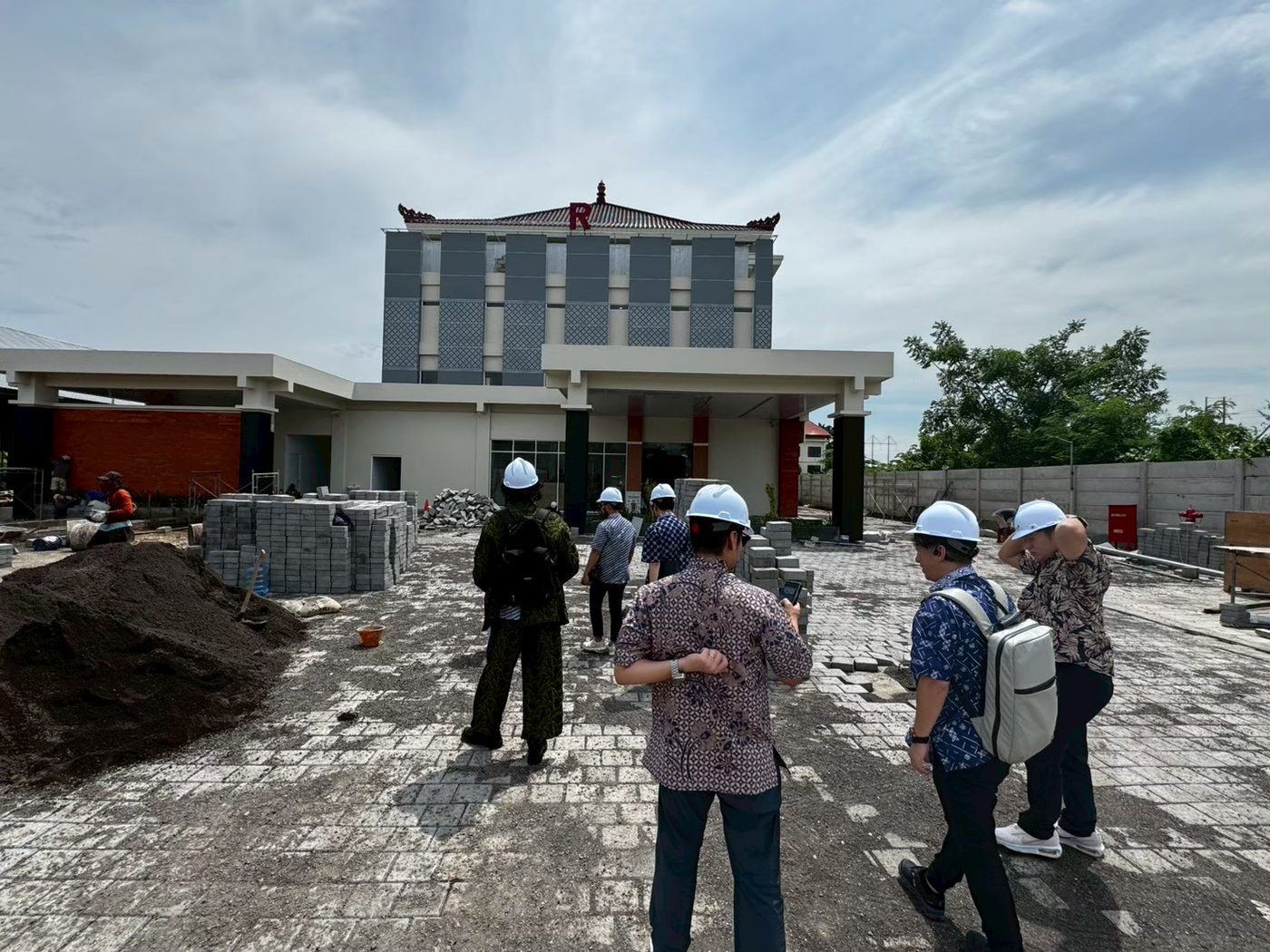
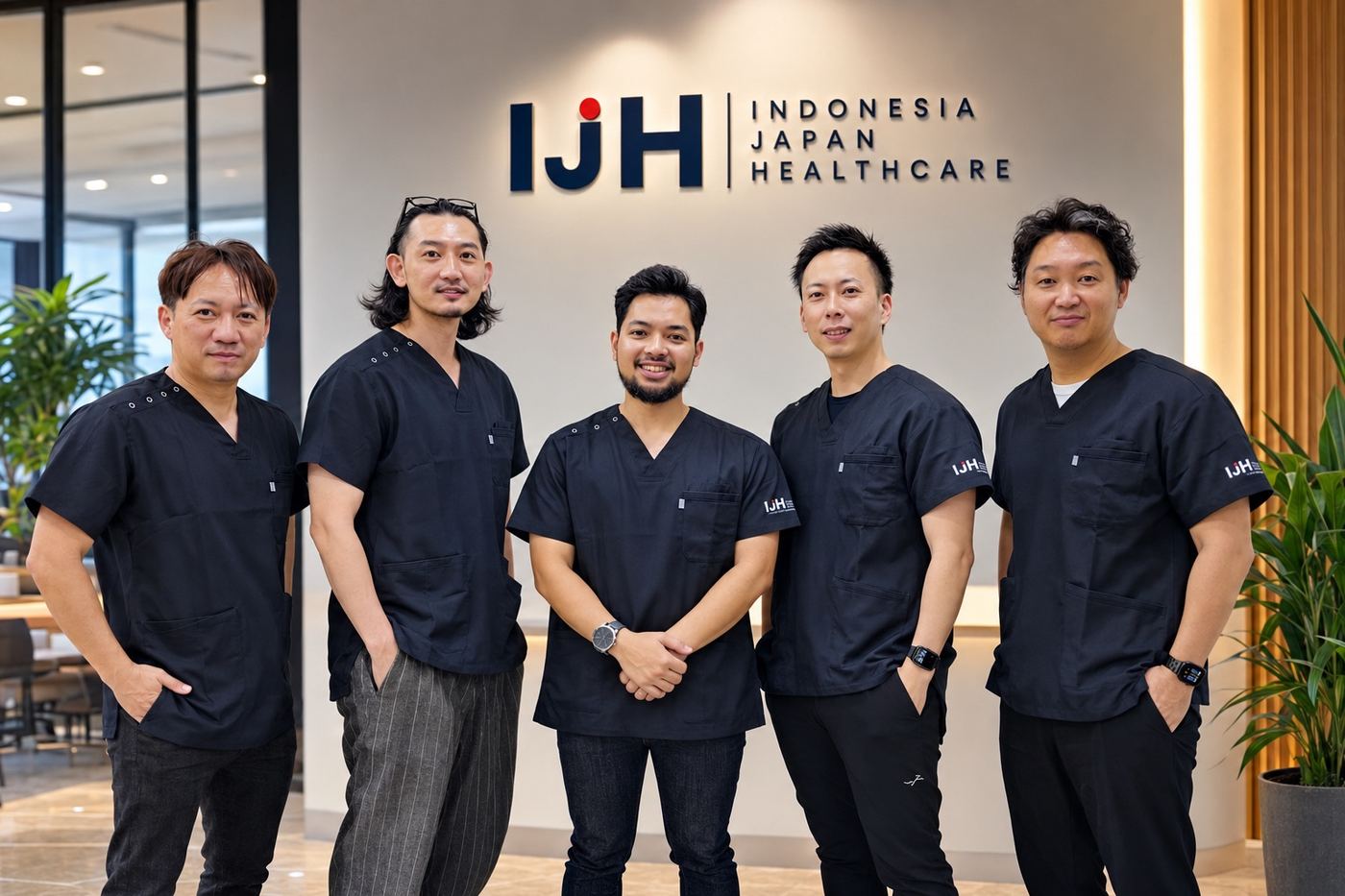
Photograph from IJH's existing material, provisional. To be replaced by asset A8.
Take part
Before any membership or visit, one of the directors will spend about thirty minutes with you. Tell us about your business, and why Indonesia interests you.
The articles define no membership classes, and members bear no obligation to contribute to costs (article 6). To join, apply on the association's form and obtain the president's approval (article 5).
Recruitment beyond the four founding members begins after the first study session.
A three- to four-day visit with a director. Dates, itinerary and cost are published once they are settled.
Press enquiries and anything else also reach us through the form.